

Beginner's Guide to Basic Yoga Poses
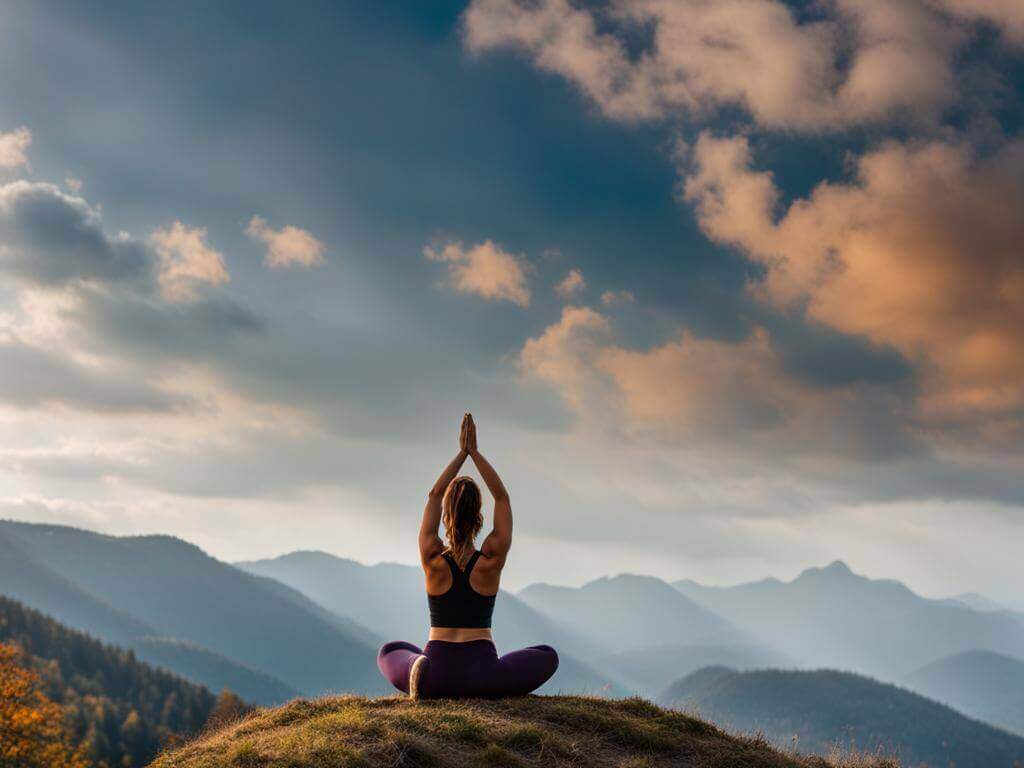

Yoga gives you a quiet space where daily pressure eases with each breath, your mind gets clearer, and your body gets stronger. It welcomes you regardless of your age, fitness level, or prior experience. Yoga for beginners starts with a few stretches and grows into a practice for balance, personal growth, and rest.
As you start exploring starting yoga moves, it's the simplicity of beginner yoga poses that will lay the groundwork for your practice. With roots reaching back millennia, the practice of yoga intertwines physical postures with mindfulness and spiritual insight, offering more than physical flexibility.
You might start yoga to shape up, settle down, or just stretch out. On your mat, you slow down and pay attention to each breath.
Understanding the Benefits of Starting Yoga Moves
Yoga can have a real impact on your health and well-being. From simple yoga postures to gentle yoga exercises, the practice offers many benefits that cater to both the body and mind. Here are the key advantages of adding these beginner-friendly movements to your routine.
Improving Flexibility and Balance
One of the most celebrated benefits of yoga is its ability to enhance flexibility and balance. When practicing beginner yoga poses, you gently stretch your muscles and tendons, promoting a greater range of motion in the joints. This not only assists in reducing the risk of injuries by making the body more pliable but also contributes to better posture and alignment. The gentle yoga exercises allow you to build a strong foundation that supports the rest of your yoga practice.
Enhancing Strength and Endurance
It's often underestimated how much strength can be built through the practice of yoga. Simple yoga postures can significantly improve your muscle tone, endurance, and overall physical strength. By engaging core muscle groups and challenging your body to maintain poses, you cultivate a resilient and enduring physique capable of more than just yogic practice. Over time, these foundational exercises pave the way for more advanced forms of physical activity.
Stress Reduction and Relaxation Techniques
Yoga's benefits go beyond the physical. Regular practice of yoga introduces you to stress reduction and relaxation techniques ingrained in mindfulness and deep breathing. With regular practice, that calm can last beyond the session.
In fact, several studies have shown that the incorporation of mindfulness and breathing exercises found in yoga can significantly lower stress hormone levels, thereby enhancing your mood and potentially improving cognitive function. So, when engaging in the benefits of yoga, you're looking after your mental health as well as your body.
People come to yoga for its physical benefits, its mental health advantages, or as a gentle form of exercise, and the practice can meet each of those needs. Keep your starting yoga moves simple, and build from there.
Preparing for Your Yoga Practice: Essential Tips
Yoga benefits both body and mind. As you're about to discover easy yoga positions and beginner yoga poses, it's essential to prepare adequately to make the most of your practice. Starting yoga moves can be thrilling, but remember that preparation is key to a fulfilling yoga experience.
Basic Equipment: To begin, you'll need a quality yoga mat offering good grip and cushioning. Comfortable, breathable clothing allows you to move freely and focus on your poses rather than your outfit.

Practice Environment: Choose a quiet, comfortable space where you won't be disturbed. It could be a dedicated room or a corner in your home. Ensure it's clean, airy, and has enough room for you to stretch your arms and legs in all directions.
Nutrition and Hydration: Eating overly rich or heavy meals before practicing can lead to discomfort. Opt for a light snack if needed and ensure you're well-hydrated before beginning your session.
Mindset and Patience: Approach your yoga practice with an open mind and patience. Everyone progresses differently in yoga. Honor your body's limits, and don't compare your progress with others'. Recognize that flexibility and strength will come with time and consistent practice.
| Consideration | Details | Recommendation |
|---|---|---|
| Frequency of Practice | As a beginner, aim for short, frequent sessions. | Start with 2-3 times per week, gradually increasing. |
| Pre-Yoga Preparation | Light stretching or a warm-up can help prevent injury. | Include 5-10 minutes of preparatory exercises. |
| Precautions | If you have health conditions or injuries, consult a healthcare provider. | Receive clearance and possibly modifications for safe practice. |
Remember that yoga is not solely about achieving perfect form in various poses but about cultivating a deeper connection with your inner self. As you practice these starting yoga moves and beginner yoga poses, listen to your body and respect its needs. With these essential tips, you're ready to start practicing with confidence.
Beginner Yoga Poses to Get You Started
Start your practice with a few basic yoga poses that will establish a strong foundation for your routine. Master these easy yoga positions to start on the right foot, ensuring you feel the grounding and restorative power of this ancient discipline. Here are these gentle yoga exercises in more detail.
Mountain Pose (Tadasana)
The Mountain Pose, or Tadasana, is the cornerstone of all standing poses in yoga, perfect for helping you grasp the essence of balance and poised alignment. As you stand with your feet together, arms by your sides, and gaze forward, you’re engaging the muscles of your legs and core. Take a deep breath in, and as you exhale, visualize rooting yourself firmly into the earth.
Downward Facing Dog (Adho Mukha Svanasana)
Following the grounding Tadasana comes the invigorating stretch of the Downward Facing Dog. This pose rejuvenates the entire body by elongating the spine, stretching the hamstrings, and strengthening the arms. Plant your hands and feet into the mat, lift your hips high, and press your chest back towards your thighs to achieve this pose. Remember to breathe deeply, allowing the pose to act as a bridge between movements.
Warrior Pose (Virabhadrasana)
Build strength and focus with the Warrior Pose. Keeping one foot forward and the other back, align your feet heel to heel. As you bend your front knee, stretch your arms out, parallel to the ground, feeling a powerful extension from fingertip to fingertip. Hold your gaze forward, embodying the warrior spirit within you.
Child’s Pose (Balasana)
When you're ready to find solace after vigorous poses, the Child's Pose is your haven. Kneel and then bow forward, laying your torso between your thighs, arms extended ahead or relaxed by your sides. This gentle pose promotes relaxation and stretches your back, hips, and thighs, offering a moment of calm in your practice.
Including these yoga positions in your daily routine will help you learn the fundamentals of yoga, setting the groundwork for more advanced poses. Practice regularly, and honor the progress your body makes each time you step onto the mat.
Combining Simple Yoga Postures for a Complete Routine
If you're new to the world of yoga, you may be wondering how to stitch together the simple yoga postures you've learned into one smooth sequence of movement and stillness. Crafting a complete yoga routine can be akin to choreographing a personal dance that aligns body, mind, and breath. Traditional sequences like the Sun Salutation are excellent blueprints, yet the true beauty of yoga lies in its versatility and adaptability to your personal needs. A comprehensive session often begins with gentle warming exercises, progresses through a series of poses designed to build strength and flexibility, and concludes with cooling down and relaxation poses.
When constructing your session, think of each posture as a link in a chain. Flow gracefully from Mountain Pose into the strength of a Warrior Pose, and then to the grounding tranquility of Child’s Pose. Allow yourself to hold each posture for a few breaths (or as long as feels right for your body), cultivating a practice that is rooted in self-awareness. The art of transitioning smoothly between poses (vinyasa) will come with practice, but even as a beginner, placing emphasis on smooth, intentional movement can deepen the harmonious flow of your practice.
As you approach the finale of your routine, do not underestimate the power of relaxation and integration. Settle into the restorative stillness of Corpse Pose (Savasana), giving your body the opportunity to absorb the effects of your diligence and to come back to a state of equilibrium. With consistent practice, integrating yoga for beginners into your everyday life can become as natural as breathing, and, as you evolve, the layers and depths of your practice will unfold. Five minutes or an hour, a thoughtful sequence practiced regularly will support your well-being and help you feel calmer.

Leave a comment
All comments are moderated before being published.